All Categories
Featured
Asset Security Using Life Insurance
Table of Contents
Like all health insurance, receiving in-network care is best to keep your out-of-pocket costs low. Nevertheless, unlike HMO strategies that won't cover any part of your bill if you look for out-of-network care (other than in a covered emergency), you can get out-of-network care when taking a trip out of your regular strategy network area with a PPO policy.
Medicare in Costa MesaCost-conscious people should think about a couple of downsides to PPO plans that may make getting care more costly. While they're flexible and convenient, PPO strategies have higher premiums.
If you do have a deductible, it's likely to be more pricey than other strategy types. While your insurance provider will share the expense with you, you'll likely pay a greater coinsurance portion for out-of-network providers. When you check out an in-network provider, they'll file your claim to your medical insurance company on your behalf.
PPO insurance policy holders might find the claim filing procedure made complex if they're not utilized to it or time-consuming if they frequently require out-of-network care from an expert. In 2023, the typical annual premium for a group PPO strategy was $8,906 for self-only protection and $25,228 for family coverage2. Companies contributed $7,399 towards a self-only strategy, and staff members contributed $1,507.
Evaluating 2026 Medicare Advantage Policies
The average deductible for PPO strategies was $1,281. As discussed above, PPO plans acquired on the ACA marketplaces likewise have an optimum out-of-pocket limit of $9,450 for self-only coverage and $18,900 for family strategies. To summarize how HMO and PPO strategies differ, check out our quick chart. Self-only protection: $8,203 Family protection: $23,758 Self-only coverage: $8,906 Family coverage: $25,228 For 2024 ACA market plans, the optimum limitation is $9,450 for self-only protection and $18,900 for household protection.

Yes No Yes No Some strategies do. A lot of plans do. Yes. However if they do, they're responsible for paying the entire expense on their own unless the care was for an emergency situation. Yes. However, participants might have a greater coinsurance or medical expense. Whether you have an HMO or PPO plan, you can take advantage of a health repayment arrangement (HRA) to lower out-of-pocket medical costs.
Just employers can introduce and contribute toward an HRA. Companies utilize an HRA to offer their employees a monthly allowance to spend for medical costs. When a worker purchases a qualified item or service, they submit documents showing evidence of purchase, and their employer reimburses them up to their allowance amount.
Strategic Financial Strategies with Life Insurance
Employee compensations will be tax-free if their specific health insurance offers minimum important coverage (MEC). Companies can compensate staff members for out-of-pocket expenses and health insurance coverage premiums, consisting of those for an HMO or PPO plan. Private protection HRA (ICHRA): An ICHRA is also a stand-alone HRA, but it's readily available to companies of all sizes and has no contribution limitations.
But, they need to have a qualifying kind of private health protection to get involved. Employers can set different allowances based upon staff member classes for included modification. Group coverage HRA (GCHRA): Also called an integrated HRA, a GCHRA is for companies of any size who offer a group health insurance. Just workers enrolled in their company's group plan can take part.
While they have no maximum contribution limits, the internal revenue service does not enable reimbursements for month-to-month premiums. No matter whether it's used in coordination with an HMO or PPO strategy, there's an HRA that can help staff members spend for their out-of-pocket medical expenses and, in some cases, their health insurance coverage premiums. An HRA is a popular alternative choice over conventional health benefits since they're economical for companies and versatile enough for every single staff member.
Comparing Affordable Medicare Quotes
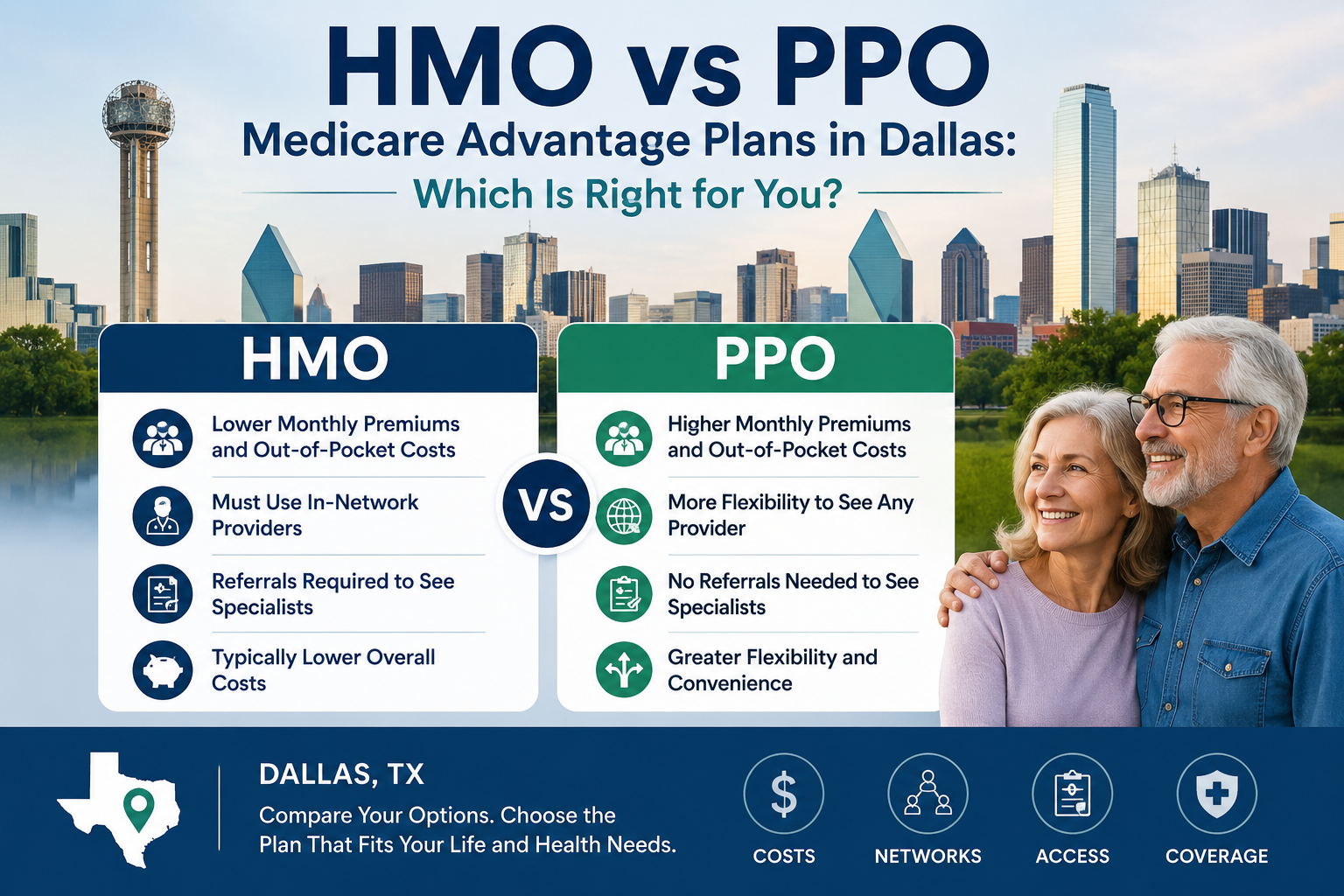
An HMO might be your best choice if you're searching for a plan with a low premium. A PPO strategy provides additional versatility if you require more control over your health care. That's why looking into these plans thoroughly, including their pros, cons, and average costs, is the best primary step you can take in the past deciding.
Staff member compensations will be tax-free if their specific health strategy offers minimum important coverage (MEC). Employers can repay staff members for out-of-pocket costs and medical insurance premiums, consisting of those for an HMO or PPO plan. Specific protection HRA (ICHRA): An ICHRA is likewise a stand-alone HRA, but it's offered to employers of all sizes and has no contribution limits.
They should have a certifying kind of private health coverage to participate. (GCHRA): Likewise known as an integrated HRA, a GCHRA is for employers of any size who provide a group health strategy. Just employees registered in their company's group strategy can participate.
Evaluating PPO and HMO Health Coverage
While they have no optimum contribution limitations, the internal revenue service doesn't allow compensations for regular monthly premiums. No matter whether it's utilized in coordination with an HMO or PPO strategy, there's an HRA that can assist staff members spend for their out-of-pocket medical costs and, in some cases, their health insurance premiums. An HRA is a popular alternative choice over conventional health advantages due to the fact that they're economical for employers and flexible enough for each staff member.
An HMO might be your best choice if you're looking for a strategy with a low premium. However, a PPO plan supplies extra flexibility if you need more control over your health care. That's why investigating these plans thoroughly, including their pros, cons, and average costs, is the finest initial step you can take in the past deciding.

Latest Posts
Asset Security Using Life Insurance

Understanding HMO and PPO Medical Plans
Finding Quality Medicare in Your State